|
Categories |
 |
|
 |
Search |
 |
|
 |
Information |
 |
|
 |
Potted plants |
 |
|
 |
Write a Testimonial |
 |
|
|
|
|
|
|
 |
Cattleya
CATTLEYA
Cattleyas are often referred to as "The King of the Orchids". They are best
known for being the corsage orchid. Cattleyas are an excellent choice for the
novice. Due to their relative ease of culture and adaptability, Cattleyas are
among the most popular orchid genus grown. The exotic fragrance flowers are
available in a wide range of spectacular colors, sizes, shapes, and textures.
LIGHTING
Sufficient lighting is a must for successful cultivation. Cattleyas prefer
either an east or a lightly shaded south-facing window. West windows should be
used with caution. Depending upon the location of the home, the west window may
become very hot during the late spring through early fall. The foliage on the
plants may burn.
TEMPERATURE
Cattleyas adapt to a wide range of temperatures. Provide nighttime
temperatures 55 tp 60oF and daytime temperatures 70 to 90oF. Plants can tolerate
temperatures of up to 100oF, if shading, humidity and air circulation are
increased.
WATERING
Depending upon the temperature, Cattleyas should be watered about once or
twice a week. During the summer, the plants may need to be watered every 4-5
days. The rule of thumb for watering should be as followed : More heat more
water, less heat less water.
Cattleyas may be allowed to dry out between waterings. Try to water the plants
early in the day, so that the foliage will be dry by nightfall.
HUMIDITY
Cattleyas prefer 40-60% humidity.
FERTILIZER
Cattleyas must be fertilized on a regular basis.
POTTING
Cattleyas should be grown in Medium Orchid Bark. The bark mix should be
moderately coarse to allow for free drainage. Cattleyas should be repotted once
every two years. Ideally, Cattleyas should be repotted in the spring.
PESTS
Common pests associated with Cattleyas are scale and spider mites.
Dendrobium
DENDROBIUM
Dendrobiums are an excellent choice for the novice grower. Flowers are available
in a wide range of colors, sizes and shapes. From the time that the first flower
bud opens, the sprays will remain in bloom for the next 2 months. If the plant
is kept in a bright warm spot, the plant may produce subsequent sprays of
flowers. Please follow the guidelines provided for successful cultivation.
LIGHTING
Sufficient lighting is must for successful cultivation. Dendrobiums prefer
either an east or a lightly shaded south facing window. Dark green leaves are an
indication of insufficient lighting.
TEMPERATURE
Provide nighttime temperatures of 55 to 60°F and daytime temperatures of 70
to 90°F.
WATERING
Depending upon the temperature, Dendrobiums should be watered about once or
twice a week. During the summer, the plants may need to be watered every 4-5
days. The rule of thumb for watering should be as followed : More heat more
water, less heat less water.
Dendrobiums must be allowed to dry out completely in between watering. Try to
water the plants early in the day, so that the foliage will be dry by nightfall.
To prevent bacterial and fungal disease use Physan 20 once a month.
HUMIDITY
Dendrobiums prefer 40% to 50% humidity.
FERTILIZER
Dendrobiums must be fertilized on a regular basis.
POTTING
Dendrobiums should be grown in Medium Orchid Bark and should be repotted
once every two years. Ideally, Dendrobiums should be repotted in the spring.
Dendrobiums do best when grown in pots that are small for the size of the plant.
PESTS
Common pest associated with Dendrobiums are scale, mealy bugs and spider
mites
Oncidium
ONCIDIUM
Oncidium are intergeneric hybrids comprised of a large group of orchids from
many different genera. The Odontoglossum/Oncidium alliance is very popular among
orchid growers due to its cultural flexibility and striking sprays of long
lasting flowers. The plants may be grown with relative ease in the home or under
a sheltered patio.
LIGHTING
Oncidium thrives on bright light. In the home, an east or a lightly shaded
south-facing window is ideal. Outdoors, place the plants on a covered patio
protected from the mid-afternoon sun. Direct morning and late afternoon sun can
be tolerated by the plants, provided exposure occurs gradually. The plants need
to adapt slowly to the increases in lighting. The leaves should be bright green
as opposed to dark green or reddish green. Reddish green indicates too much
light; dark green indicates not enough light.
TEMPERATURE
In temperate regions, Oncidiums may be grown outside on a protected patio
covering.
Most Oncidiums and their hybrids are intermediate in temperature preference. For
the best results provide nighttime temperatures of 50 to 60°F and daytime
temperatures under 85°F.
Oncidiums will tolerate higher daytime temperatures if the humidity is
increased.
WATERING
Depending upon the temperature, Oncidiums should be watered about two or
three times a week. During the summer, the plants may need to be watered every
2-3 days. The rule of thumb for watering should be as followed : More heat more
water, less heat less water.
Oncidiums prefer to be kept on the moist side. This does not mean that the
plants like to be left in standing water,however try to water the plants early
in the day, so that the foliage will be dry by nightfall.
HUMIDITY
Oncidiums prefer 50-65% humidity. Humidity should be increased with higher
temperatures.
FERTILIZER
Oncidiums must be fertilized on a regular basis.
POTTING
Oncidiums should be grown in either Medium Orchid Bark or Fine Orchid Bark
Mix. They should be repotted once every two years. Ideally the plants should be
repotted immediately after flowering.
PESTS
Common pests associated with Oncidiums are scale, spider mites and aphids.
Phalaenopsis
PHALAENOPSIS
Phalaenopsis are among the easiest and most rewarding orchids to
grow. An American Orchid Society demographic survey showed that Phalaenopsis
have become America~s favorite orchid. The plants adapt well to the environment
of the home or office. From the time that the first flower bud opens, the sprays
will remain in bloom for the next 2 to 3 months.
LIGHTING
Sufficient lighting is a must for successful cultivation. Phalaenopsis
prefer either an east or a lightly shaded south facing window. West windows
should be used with caution. Depending upon the location of the home, the west
window may become very hot during the late spring through early fall. The
foliage on your Phalaenopsis may burn.
TEMPERATURE
Phalaenopsis thrive under normal household temperatures. For the best
results, provide nighttime temperatures between 60 to 65°F and daytime
temperatures between 75 to 85°F.
WATERING
Depending upon the temperature, Phalaenopsis potted in bark should be
watered about once or twice a week. During the summer, the plants may need to be
watered every 4-5 days. The rule of thumb for watering should be as followed :
More heat more water, less heat less water.
Phalaenopsis potted in New Zealand sphagnum moss should be watered less often,
about every 7 to 10 days.
Phalaenopsis prefer to be kept on the moist side. This does not mean that they
like to be left in standing water,however try to water the plants early in the
day so that the foliage will be dry by nightfall.
HUMIDITY
Phalaenopsis prefer 50% humidity. Often a kitchen or bathroom will provide
sufficient humidity.
FERTILIZER
Phalaenopsis must be fertilized on a regular basis.
POTTING
Phalaenopsis may be grown in either New Zealand Sphagnum Moss or Medium
Orchid Bark Mix. Phalaenopsis should be repotted once every two years. Ideally
Phalaenopsis should be repotted immediately after flowering.
PESTS
Common pests associated with Phalaenopsis are scales, mealy bugs and spider
mites.
FLOWERING
Phalaenopsis plants may flower again for a second time. After the plant goes
out of bloom, cut the stem just under the the first flower on the spray. A new
spray of flowers may emerge from the node below.
Vanda
VANDA
Vandas are fascinating orchids that may be grown with relative ease.
Vandas are monopodial. Growth arises from the crown of the plant. Flowers are
available in superbly rich colors, including blue, red, orange and yellow. The
flower spikes, which usually carry 8 to 10 blooms, arise from the base of the
leaves and last for several weeks. The goal of good orchid culture is to promote
robust, disease-free plants with good quality flowers.
LIGHTING
Vandas require plenty of light. Direct morning and late afternoon sun can be
tolerated by Vanda, provided exposure occurs gradually. The plants need to adapt
slowly to the any increase in lighting. Provide full morning sun when possible.
TEMPERATURE
Vandas prefer to be kept on the warm side. Plants thrive when the nighttime
temperatures are between 55 to 70°F and daytime temperatures between 65 to 95°F.
WATERING
The rule of thumb for watering should be as followed : More heat more water,
less heat less water!
Depending upon the temperature, Vandas grown in pots should be watered about
once or twice a week. During the summer, the plants may need to be watered every
4-5 days.
Vandas grown in baskets require watering often. Plants need to be watered daily
during the summer.
Vandas should dry out in between watering. Try to water the plants early in the
day, so that the foliage will be dry by nightfall.
HUMIDITY
Vandas prefer 60 to 80% humidity. A high humidity is essential during the
growing season, from early spring through late fall. During the summer, watering
should be supplemented with daily misting of the leaves.
FERTILIZER
Vandas are heavy feeders. They must be fertilized on a regular basis.
POTTING
Vandas may be grown in either Potted in Medium Ong should be done in the
spring.
PESTS
Common pests associated with Vandas are scale and spider mites.
Flasks
FLASKS
ITEMS NEEDED
A container with warm water to wash off the agar,
50ml to100ml pots
small size bark mix
REMOVAL
To remove the plants either tap the bottom of the flask till the whole lot
falls towards the opening, gently pull the whole bunch out and swirl them in the
water to remove the agar; or add a small amount of water to the flask and swirl
it around until it comes out ( it may come out in pieces) again swirl them in
the water. If the flask you have doesn't lend its self to use the above
systems, you will need to break the flask. I wrap the flask with 5 or 6 sheets
of newspaper, with a hammer I hit the very base to knock the end out, this
reduces the amoproduct at the moment.
Gently water the compots and then place in a well shaded warm situation (inside
a hot-house is great, but no direct sun). Inside under Flora Tubes (remember you
must have a timer to turn the lights off - 10 hrs on and 14 hrs off) would also
work well.
If you have a heat pad this will improve your chances of saving all the seedling
from the flask. With the heat you must realize that the bark/Moss dries out
quicker, so keep your eye on the pots.
WATERING
This is where most deflasked plants are lost. It is important not to let the
compot dry right out; one must keep it damp all the time. A good way to check
the wetness is to pickup the pot; if its very light or the drain hole is just
damp then it needs watering. Fertilizing - I wait for a week before I start,
gives the plants a time to adjust to the change. After; I use 1/4 strength
fertilizer every second watering.
There are many ways to extract the plants from the flask and place in compots or
individual pots. Methods used will vary based on your local growing environment.
Ask your local Orchid Grower the best way for your local area.
Don't be afraid to a pot that is slight larger than the preceding one.
Dividing
DIVIDING
Sterilize the cutting tools with Physan 20 or flame the tool with a
blowtorch. Let the sterile tool cool down before using it on the plant.
For blooming size plants, a minimum of 3 to 5 bulbs per division should be kept.
The rule of thumb is to make the largest division practical, because the larger
plants produce the best and most flowers.
Divide the clump by cutting the rhizome with clippers. Two divisions of the
plant are now available.
Rooting Care
ROOTING CARE
Dip the plant in Rootone (Rooting Hormone) or Dip~n Grow to help stimulate
new root growth.
Positioning The Plant
POSITIONING THE PLANT IN NEW POT
Positioning the plant in the new container is not a problem for monopodial
orchids such as Phalaenopsis. Simply place the plant in the center of the pot.
Positioning sympodial orchids such as Cattleyas can be a challenge. Position the
plant off-center in such a manner that the new growth will develop towards the
center of the pot, and the new roots will probe down into the orchid bark.
Remember, sympodial orchids need space in front of the bulbs. Otherwise, the
plants will escape from the new pot.
Hold on to the plant firmly, while packing the orchid bark mix into the pot.
Packing the orchid bark with the use of your hands is less traumatic to the root
mass than with the use of a wooden potting stick.
Staking
STAKING
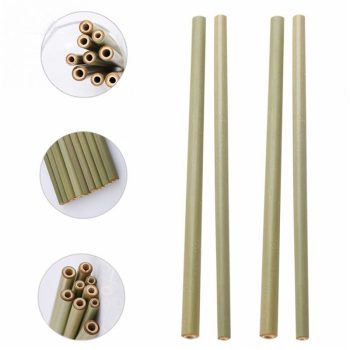
Use bamboo stakes for support. Stakes are essential for sympodial orchids
such as Cattleyas. Place the stakes in a position that will not impede the
development of the new growth.
Orchid ties should be soft and reinforced with metal strips. Ties are needed to
support the plant. However, ties should not be affixed too tightly, otherwise
they will damage the plant as it grows.
Labeling
LABELING
Newly potted plants should have plant labels with the name of the plant and
date that it was repotted.
Care After Repotting
CARE AFTER REPOTTING
To prevent bacterial and fungal disease, water once with Phyton 27. Phyton
27 is a systemic agent that will protect the plant for the next 90 days.
Place the newly potted plant in a shady location. It is usually best not to
water the plant for the next 7 to 10 days. During the second week after
repotting, resume a normal watering schedule. After about a month, new roots
will appears on the plant.
|
|
 |
|
|
 |
| 0 items |
 |
|
|
 |
Special Offers & Discounts! |
 |
 |
Sign up for our newsletter & receive a Special Discount on your first purchase!
|
 |
|
|
 |
Follow Us on: |
 |
|
|
|
 |
Bestsellers |
 |
|
|